Story: A living and inclusive art space

The artist’s house open to the world

Amid the hills of Ligornetto, the Vincenzo Vela Museum presents the nineteenth century through a contemporary perspective that brings together art, history and dialogue.

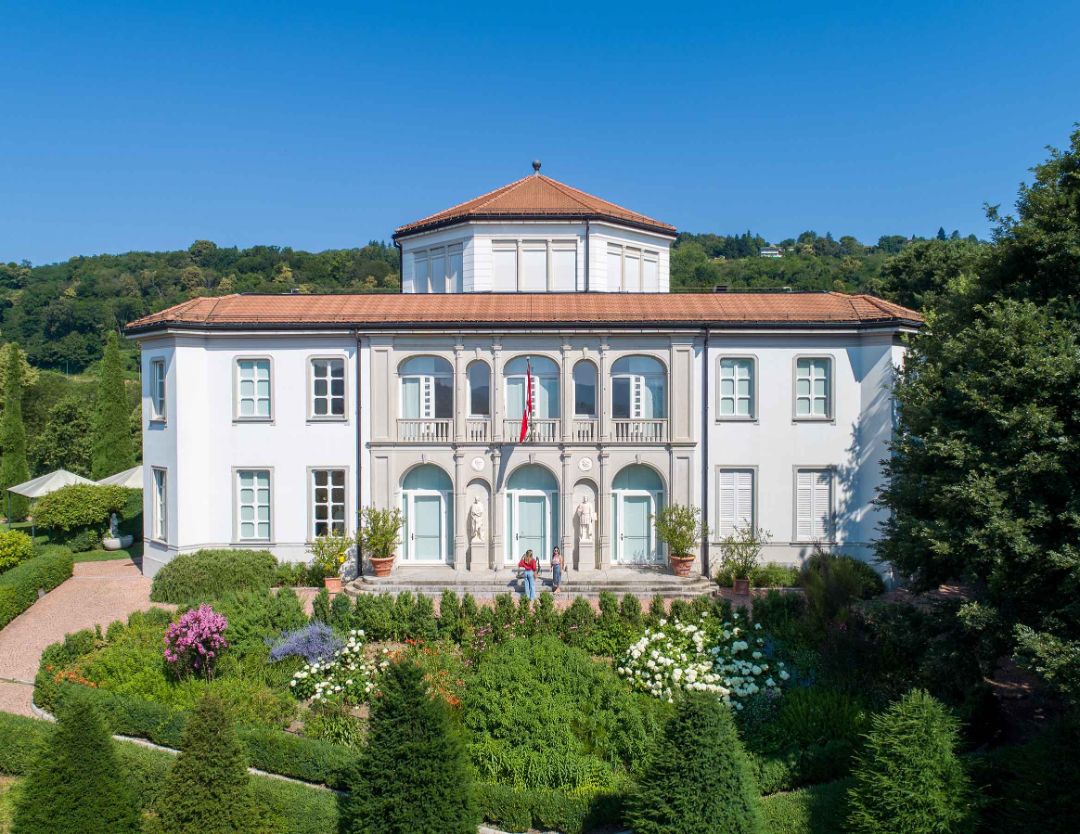
In Ligornetto, among the picturesque hills of the Mendrisiotto, stands one of the foremost house-museums of 19th-century Europe: the Vincenzo Vela Museum. A remarkable genius loci, it preserves a precious artistic legacy while embracing a contemporary outlook that promotes cultural exchange and dialogue between past and present.

THE CHARACTER

Antonia Nessi, Director of the Vincenzo Vela Museum

Antonia Nessi, Director of the Vincenzo Vela Museum
The Vela Museum is a space inhabited by stories that still resonate today.
THE COMPLETE STORY


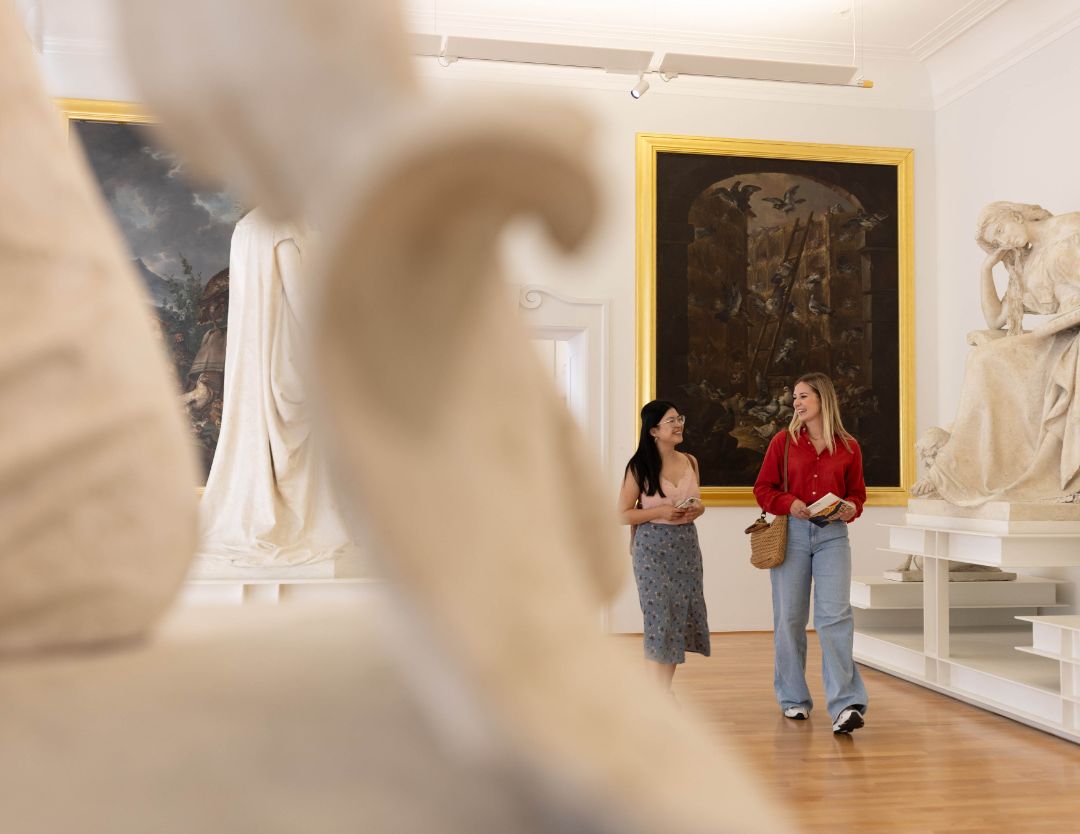
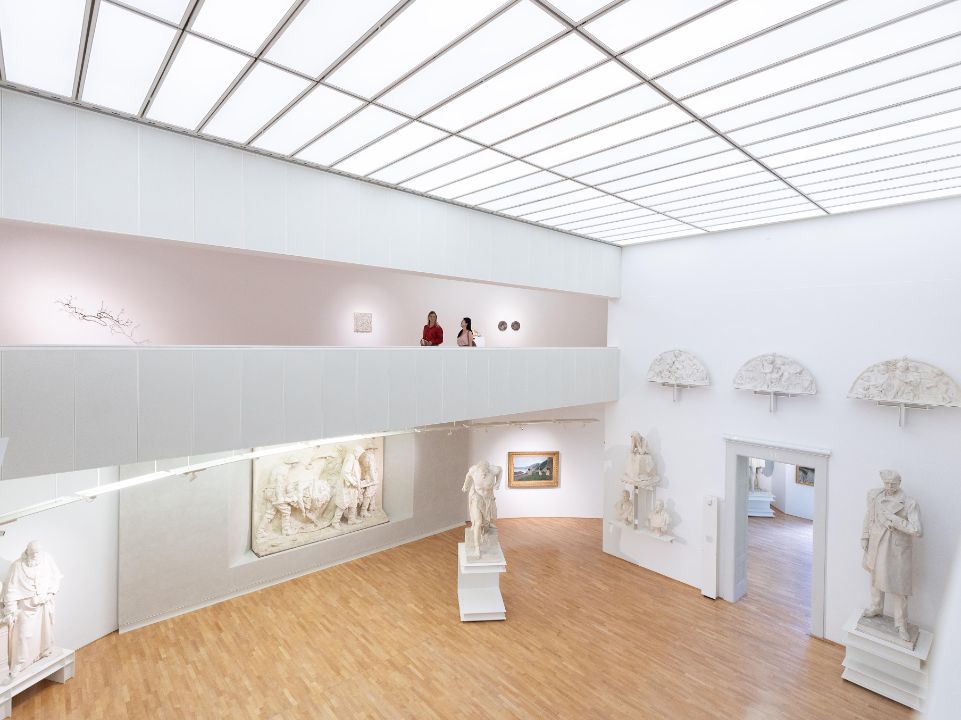
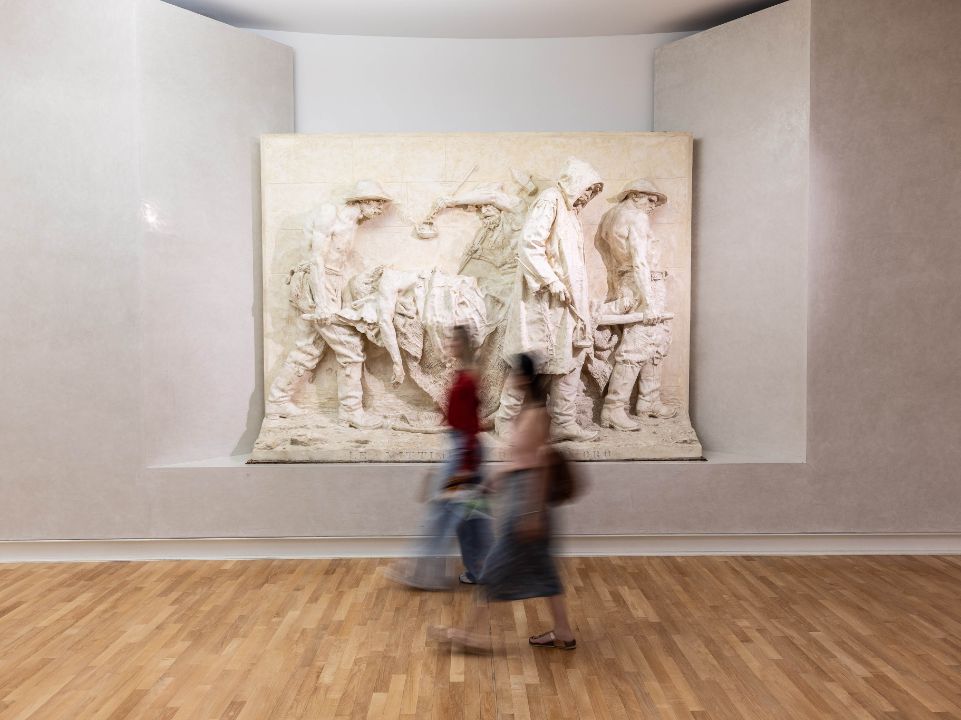
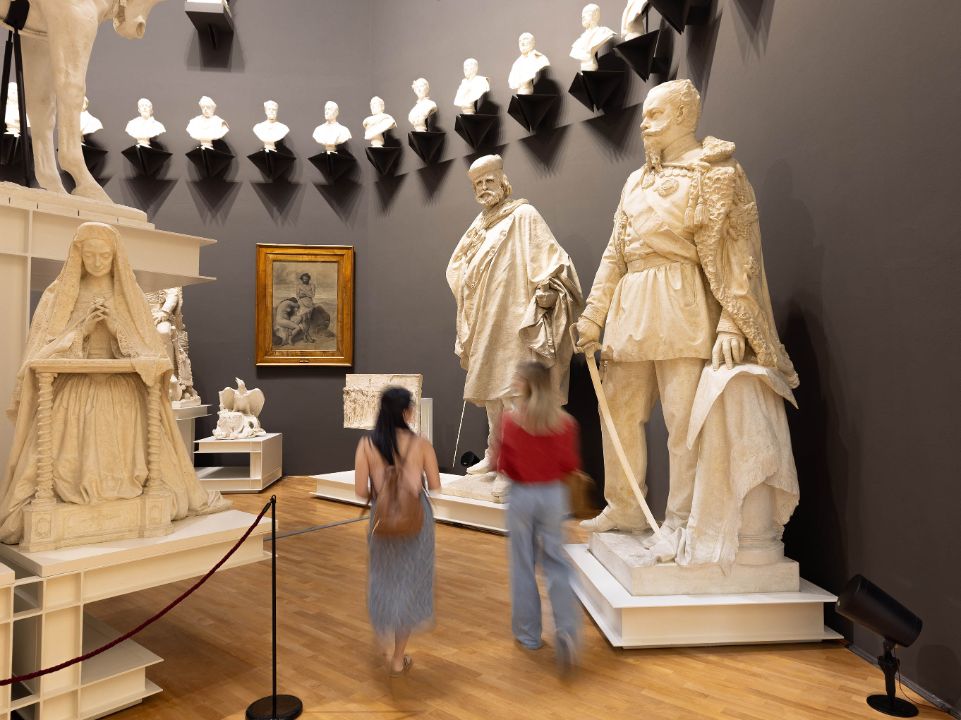
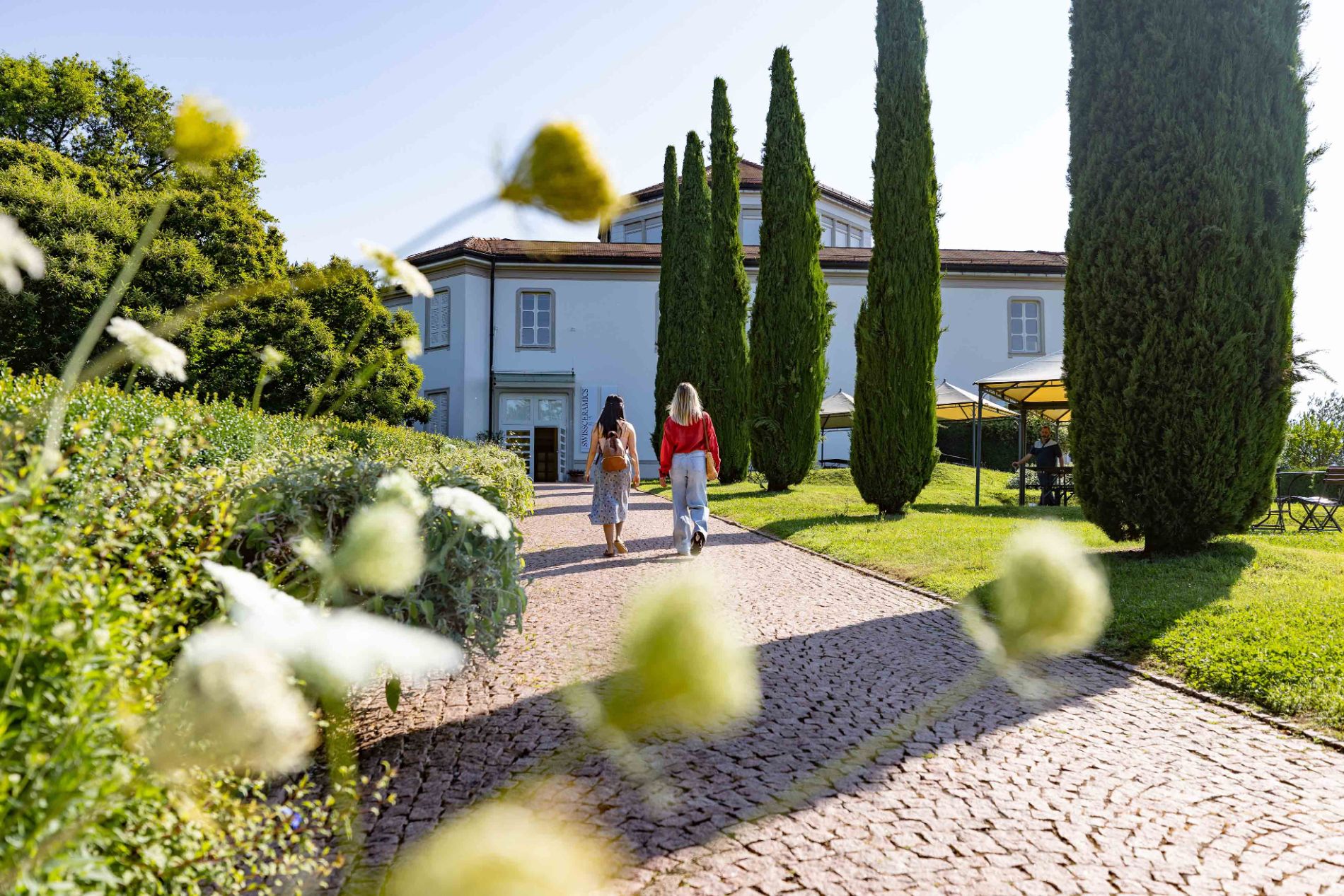
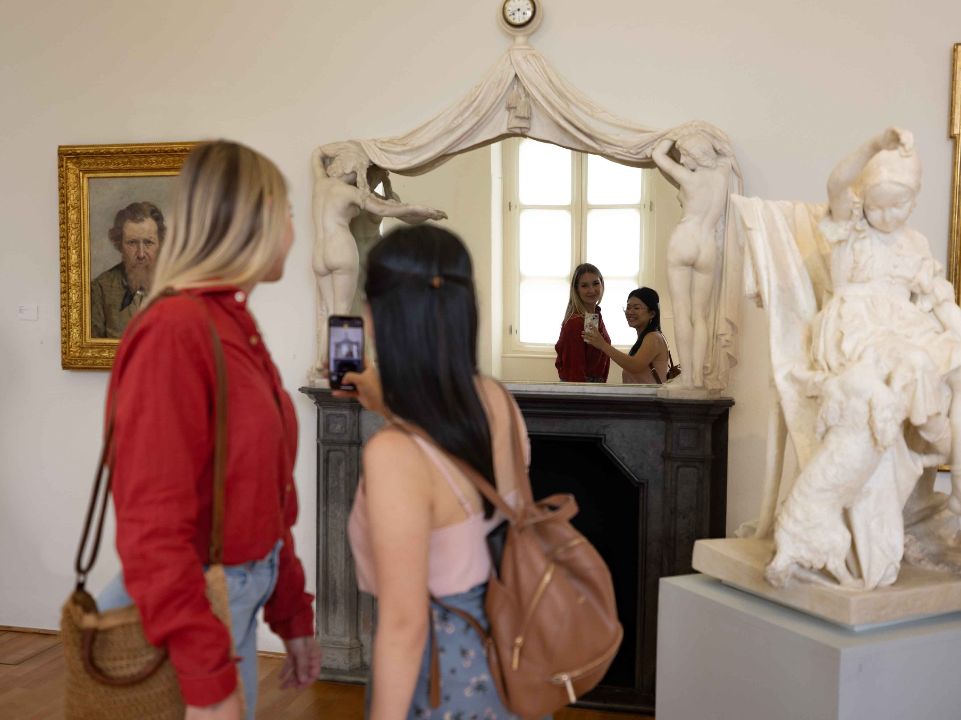
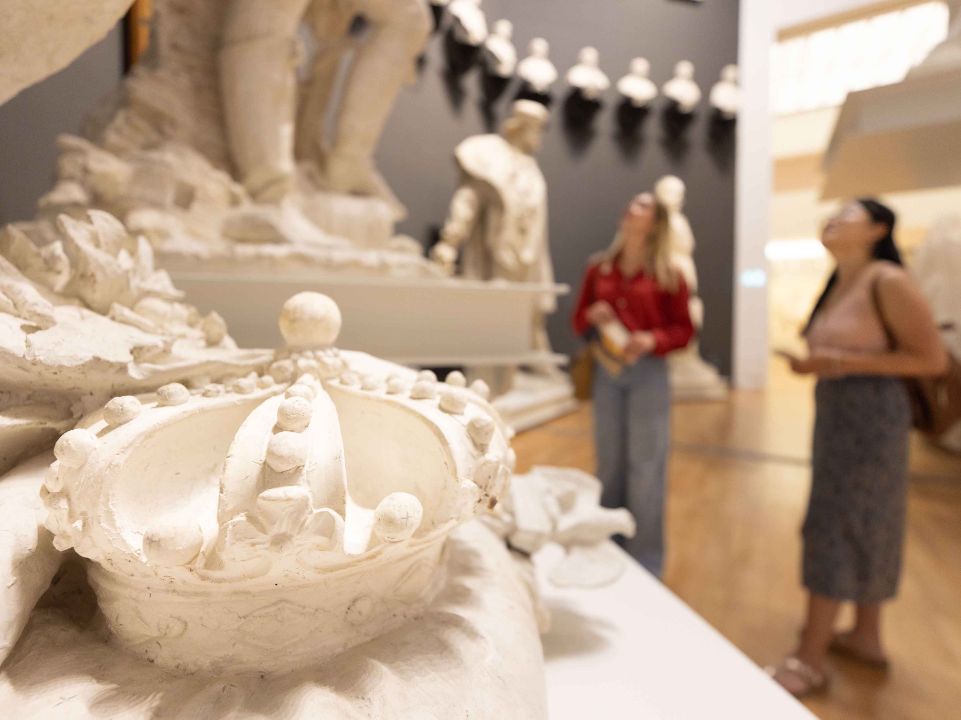
Peace and enchantment greet people as they step into the Vela Museum. A sacred air permeates the lush park and villa interior. Visitors are struck by the majestic statue of the Duke of Brunswick, commanding the monumental plaster cast gallery on the ground floor from its pedestal. This artist’s house, desired by Vincenzo Vela, stands as a symbol of 19th-century realist sculpture, but is far from a place frozen in time. Today, the museum is above all a window open to the world. Temporary exhibitions, events and complementary initiatives enrich its permanent collections. The bright rooms, the park and the artworks engage in a harmonious dialogue, offering visitors an immersive and ever-changing experience. The museum is a place where art, nature and thought meet, inviting contemplation in every detail. Since 2023, under the direction of Antonia Nessi, an anthropologist and art historian with experience abroad and in French-speaking Switzerland, the museum and its team have been forging connections between artistic heritage and the realities of the present. Born in Mendrisio and raised in a culturally stimulating environment, Antonia visited the Vela Museum as a child together with her father. After twenty-five years spent away from her homeland, returning to work for the museum in Ligornetto has been a return to her roots.

The museum has always held a special fascination for Antonia. When she first arrived, the custodian showed her every corner of the house, even taking her up onto the roof. From there, moved by the surrounding landscape, she immediately sensed Vela’s visionary spirit. For the charismatic director, the museum is above all a place where stories are told through images. Learning to decode them allows us to better understand society. Antonia is especially intrigued by how nineteenth-century sculpture can engage with the contemporary world; this is why the house-museum strives to welcome new voices and new perspectives.

Stories are told through images at the museum.

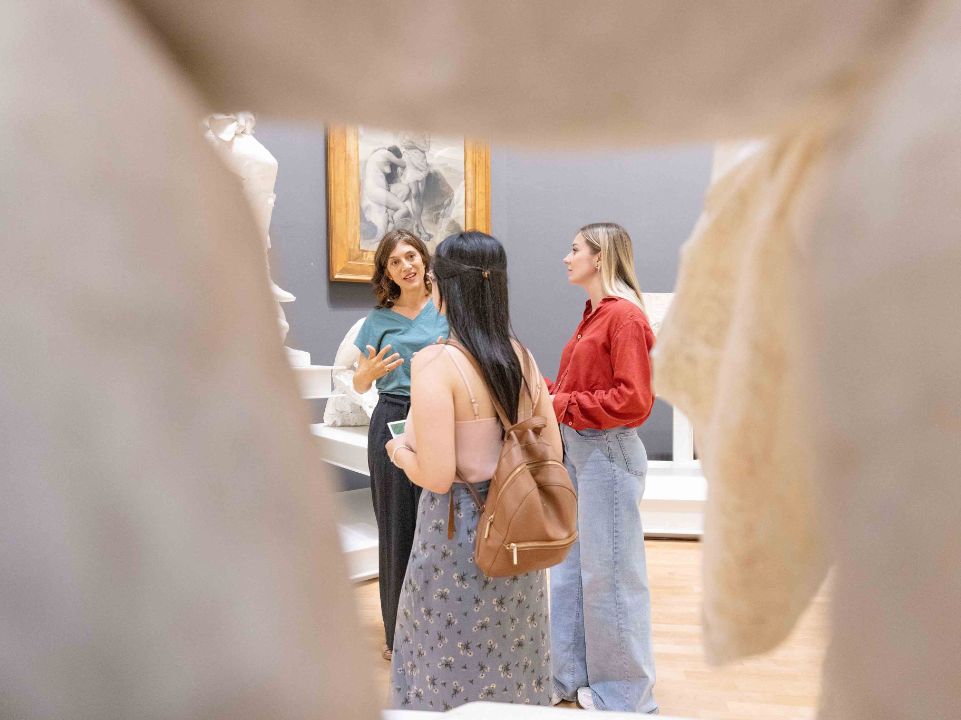
This approach is fully aligned with the museum’s long-standing commitment to cultural mediation, pioneered in Ticino thanks to the innovative vision of its former director, Gianna A. Mina. One of its central aims is to involve diverse audiences, especially those who may feel more vulnerable or marginalised. As Antonia explains, the museum welcomes schools, young people, adults and many different communities every single week.

In recent years, a dedicated project for people living with Alzheimer’s disease has taken shape: sculpture, with its narrative power, has proven capable of rekindling sensations and emotions once thought lost. The museum has also worked closely with migrant communities, as its timeless artworks speak naturally across cultures. It is now developing a podcast featuring asylum seekers invited to reinterpret Vela’s Spartacus – the artist’s most iconic sculpture – through their own voices.

This sensitive and socially committed work earned the Vela Museum the prestigious Pro Infirmis Inclusive Culture label in 2019.

Pro tip
Augmented reality offers the chance to explore a reconstructed medieval village at the Archaeological park in Tremona.
Marble from the nearby Arzo quarries has been renowned since the Ranaissance and was even used in Milan and Warsaw.
The entire area around Monte San Giorgio is recognized as a UNESCO World Heritage Site thanks to its paleontological value.

On the first floor of the house-museum, temporary exhibitions are regularly organised, often in collaboration with contemporary artists. Antonia emphasises that there is always a connection with Vela’s work, which has the power to inspire reflection, and that exhibitions must be able to build bridges between past and present.

A varied programme of dance, music and performance brings the exhibitions closer to the public and nurtures dialogue in the spirit of the museum.

Images convey huge meaning, almost more than words.

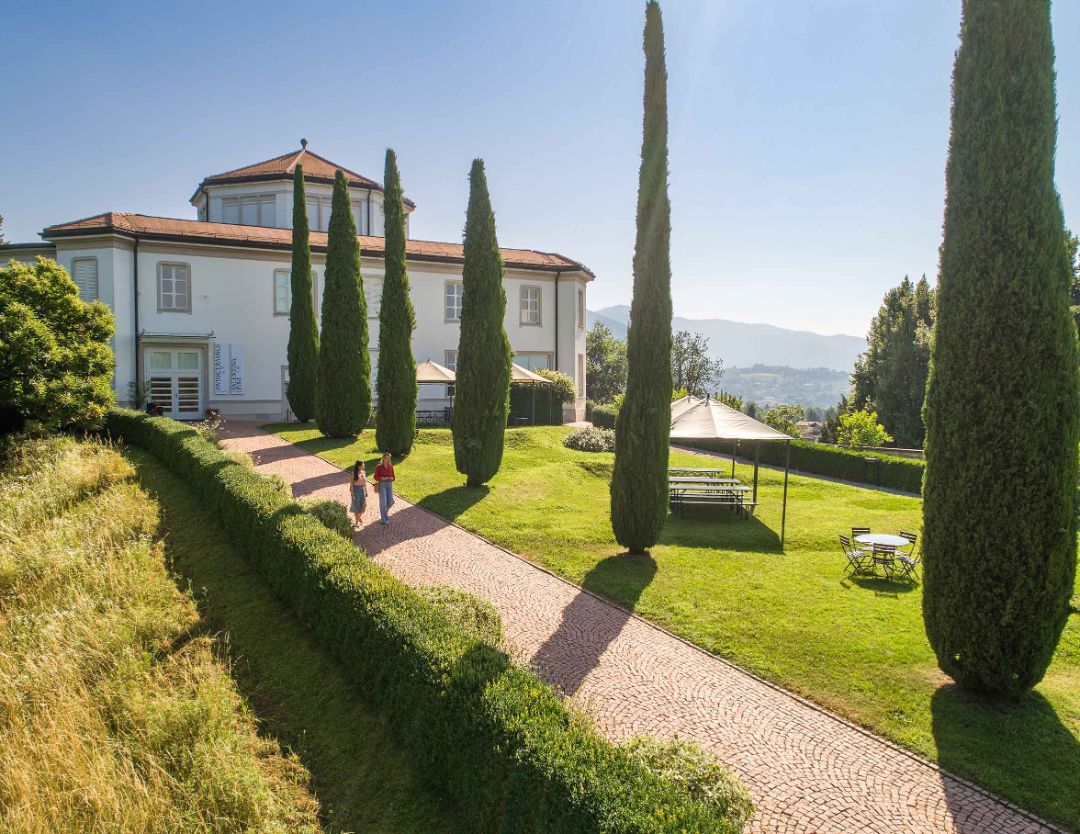
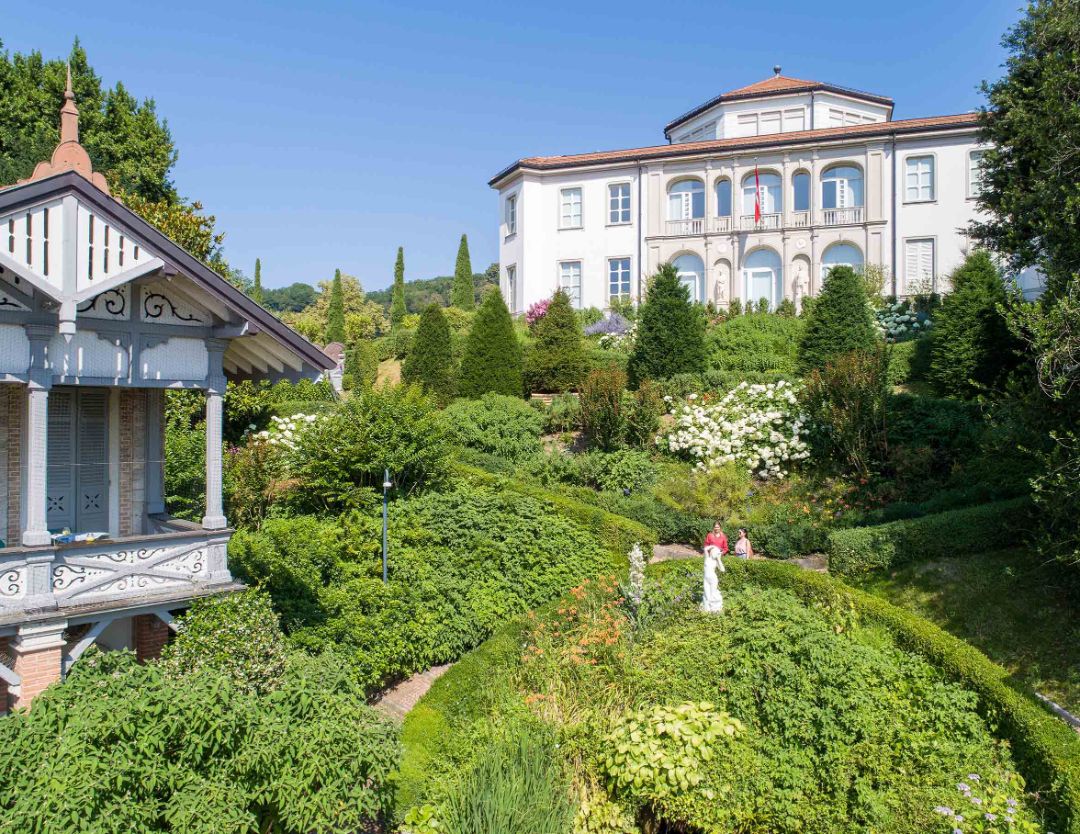
What also makes this place unique is the extraordinary park surrounding the residence, conceived by Vela as an integral part of his total artwork. Divided into two distinct areas - an Italian formal garden and an English landscape section - the garden features medicinal plants, a vineyard and a remarkable collection of citrus trees. It is a space that radiates positive energy, encouraging visitors to linger while hosting many of the museum’s activities. Over the year, alongside the exhibitions, the museum also launched the Wellness at the Museum programme, with Pilates, yoga and sound meditation sessions held both indoors and throughout the park.

Among the museum’s future challenges is the need to draw the wider public closer, particularly teenagers. Many still hesitate to enter a museum and feel intimidated by the experience; it will therefore be essential to innovate and find effective ways - through cultural mediation and events - to engage this age group. The director is convinced that art should be able to speak to every generation.

Stories

NEXT STORY